
Iran Part VI: The talking points for War, the Purse Strings, the ICJ Record, AIPAC and the Moral Threshold of a Holy War
Las Vegas, Easter, April 5, 2026 On: WTF is going on you might be asking yourself

“This is a memo that describes how we’re going to take out seven countries in five years, starting with Iraq, and then Syria, Lebanon, Libya, Somalia, Sudan and, finishing off, Iran.”
-General Wesley Clark
10 days post 9/11/2001
Pentagon memo
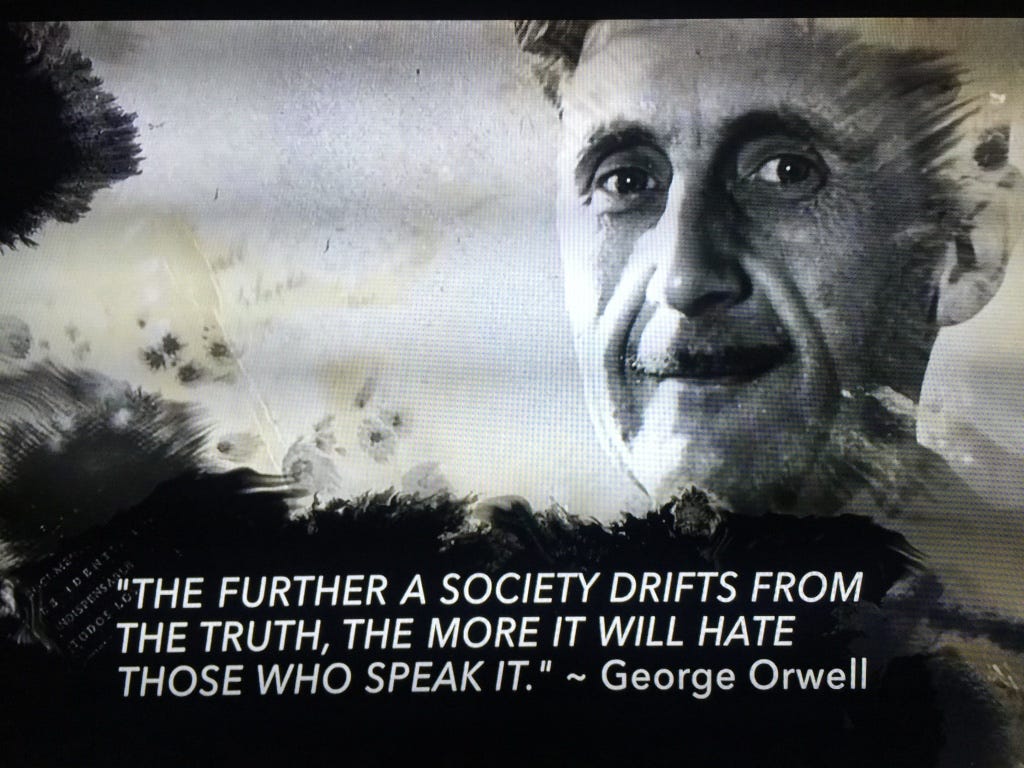
“The goals of this mission is clear… by the greatest Military in the world” secretary m. rubio
Neutralizing perceived threats from Iran’s nuclear program,
Destroy their missiles, launchers and factories capabilities,
Destroy their Navy
Control of regional proxy networks called the Axis of Resistance:
Iranian militia,
Palestine (Islamic Jihad and Hamas),
Lebanons (Hezbollah),
Syria ( Shia Militia),
Yemen ( Houthis),
Iraq (PMF or Popular Mobilization Forces)
Regime change essentially
and……
The ongoing un-provoked-pre-emptive war taken to Iran with coordinated U.S.-Israeli airstrikes targeting key leadership assassinations (decapitation), has unleashed a cascade of devastation that extends far beyond military objectives.
And it is War.
Predicted.
Known.
Today, unlike many wars in the past, the international crimes against humanity unfolding in the Middle East are being witnessed in real time by global audiences. The scale of destruction — including attacks on civilian infrastructure, cultural heritage sites, schools/universities, hospitals, and residential areas — is documented through citizen journalism, satellite imagery, and independent reporting, making comprehensive censorship far more difficult than in previous conflicts.
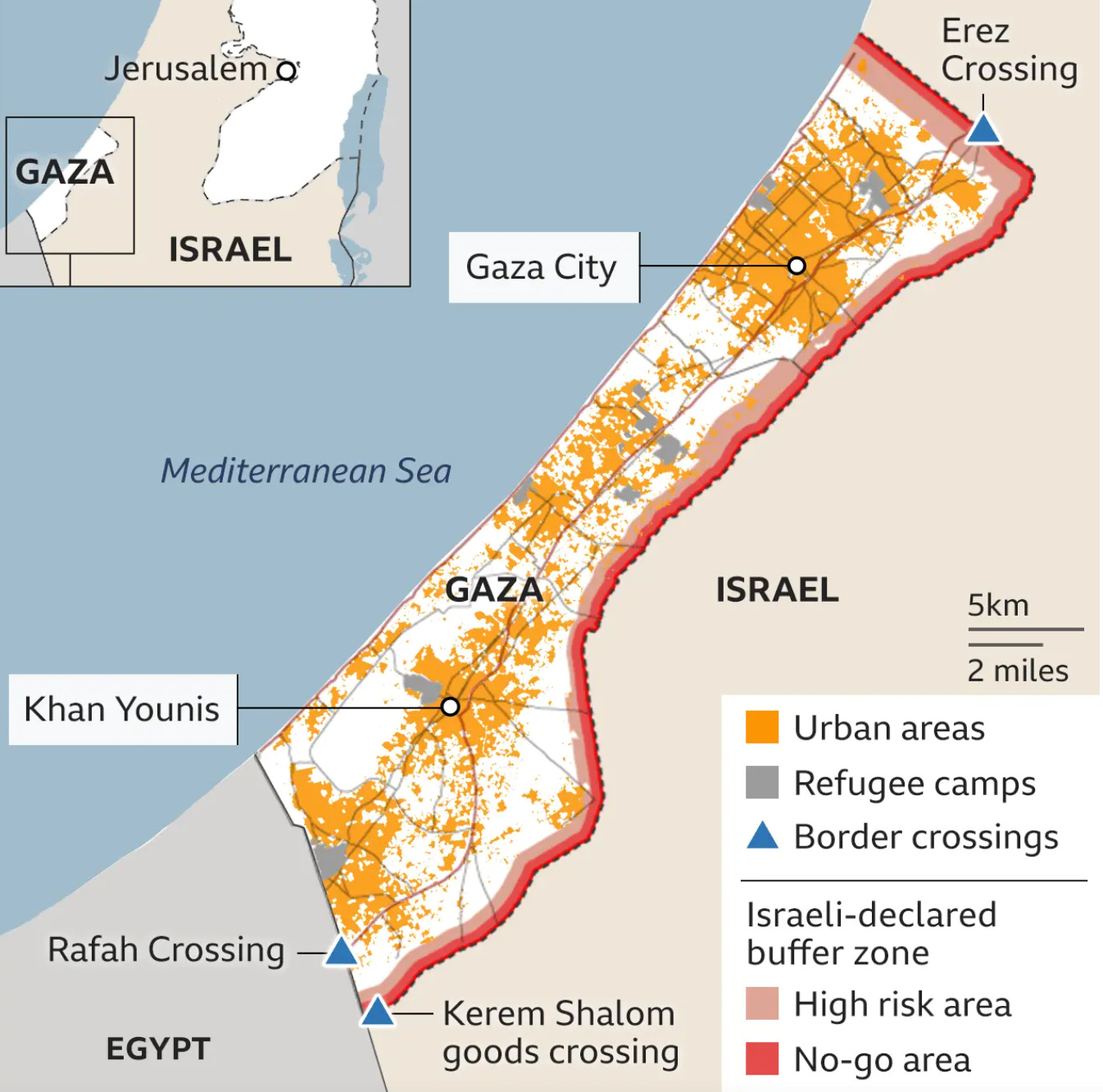
This stands in sharp contrast to earlier wars, where governments could more effectively control the narrative by restricting journalistic access, imposing blackouts, or shaping media coverage through embedded reporting and official channels. In the current Iran conflict, as well as in Gaza, the Israeli government has attempted to limit independent journalistic access by denying entry to many international news organizations and imposing strict controls on reporting. Despite these efforts, the proliferation of smartphones, social media, and alternative information networks has allowed visual evidence and eyewitness accounts to reach the world almost immediately.
The result is an unprecedented level of transparency — and accountability — that previous generations of wartime leaders did not face. Images of damaged mosques, universities, and civilian neighborhoods, along with reports of cultural erasure and humanitarian suffering, are circulating globally in real time. This visibility has intensified international criticism, legal scrutiny at the International Court of Justice (ICJ), and public debate about potential war crimes and crimes against humanity.


While some narratives are still shaped by state-aligned media and lobbying efforts, the sheer volume of unfiltered information makes it significantly harder to conceal the human and cultural cost of the conflict. This new reality of “war in the age of the smartphone” represents a fundamental shift: no longer can the full extent of destruction be easily hidden from the world. The question now is whether this visibility will translate into meaningful political pressure, legal consequences, or a genuine push toward de-escalation and accountability.
What do you think?
As a kid the vietnam war was in my sights. We would receive nightly news from Walter Cronkite (“and that’s the way it is…”). Decades after WW II and the Korean War we now understand the atrocities of American military. Who are the Good Guys in a War? Who is pointing fingers and at the same time moving chessmen in positions to be placed for the good of the West. Who sends “them” suitcases of money and arms em up for one objective until empty and then regime change them into being decapitated, hung, shot and eviscerated from the lower end of the bowels?
I said War! Good God y’all, What is it Good For?
The Intelligence-Blackmail Nexus and the Road to Iran
Whitney Webb has documented how intelligence agencies, organized crime, and financial power intersect to create leverage networks that influence U.S. foreign policy, particularly toward Israel and Iran. In her series One Nation Under Blackmail and work at Unlimited Hangout, she traces Cold War arms networks, Iran-Contra scandals, and figures like Jeffrey Epstein as nodes in a system of compromise and control. She highlights how Israeli intelligence (Mossad) and U.S. agencies have used blackmail and espionage to influence American elites, including politicians, technology executives, and financiers. This apparatus ensures consistent U.S. support for Israeli objectives, even when those objectives conflict with American interests.
In interviews conducted in 2025 and 2026, Webb has warned that allegations of Iranian sabotage—frequently promoted by individuals with Israeli affiliations and access to U.S. infrastructure—are being used to generate public consent for war. She links these accusations to the same networks that protected Epstein and earlier scandals, indicating that the current escalation with Iran extends a long-standing strategy to eliminate regional rivals and consolidate Israeli dominance.
Webb’s analysis stands apart from mainstream commentary because it follows financial and power connections, revealing how concentrated ownership and interlocking interests sustain narrative dominance while advancing geopolitical objectives.
The Scholars vs. the Propagandists
Independent scholars—many of them Israeli Jews who have distanced themselves from Zionist orthodoxy—have offered the most rigorous examinations:
Norman Finkelstein has documented deliberate patterns of collective punishment in Gaza, including the use of starvation and infrastructure destruction as instruments of policy.
Ilan Pappé has traced the ethnic-cleansing logic embedded in Zionist settlement ideology from 1948 onward.
Benny Morris, a self-identified Zionist historian, has confirmed through archival research the forced expulsions and massacres that accompanied the founding of the state.
Gabor Maté has examined the psychological mechanisms—trauma, dehumanization, and projection—that enable otherwise rational individuals to accept genocidal policies.
Ian Black, former Middle East editor for The Guardian, has chronicled the repeated pattern of Israeli escalation followed by U.S. diplomatic protection.
Edward Said, exposed the Orientalist framework that renders Palestinian and Iranian suffering invisible or justified in Western discourse.
Professor Jiang Xueqin applies game theory and historical pattern recognition to predict this exact sequence: Trump’s return, war with Iran, strategic defeat, and accelerated multipolar reordering.
These individuals are not supported by defense contractors, AIPAC, or evangelical donors. They are excluded from major U.S. media platforms because their work dismantles the approved narrative.
They begrudge at all cost to their being the Borg nature of the world today. You will be assimilated into the collective.
The $1+ Billion a day warring US bleed and $18 Billion a year subsidy to Israel, Purse Strings and the Propaganda Apparatus
The concentration of media and technology power is not coincidental. Larry Ellison’s reported interest in TikTok ownership, through Oracle’s role as U.S. data steward, represents the latest effort to control narrative flows on platforms where alternative voices remain active. Hollywood studios, news conglomerates, and social-media gatekeepers operate within interlocking directorates and investment networks that lean toward pro-Israel and Zionist-aligned capital.
American media—CNN, MSNBC, Fox, The New York Times, The Washington Post—function as amplifiers for the war narrative. Their ownership and major advertisers are intertwined with the same financial and ideological networks that profit from sustained Middle East conflict. International outlets—France 24, Al Jazeera, DW, TRT, and Sky News Australia—while imperfect, continue to offer broader framing and sourcing.
The ICJ Record and Francesca Albanese’s Mandate
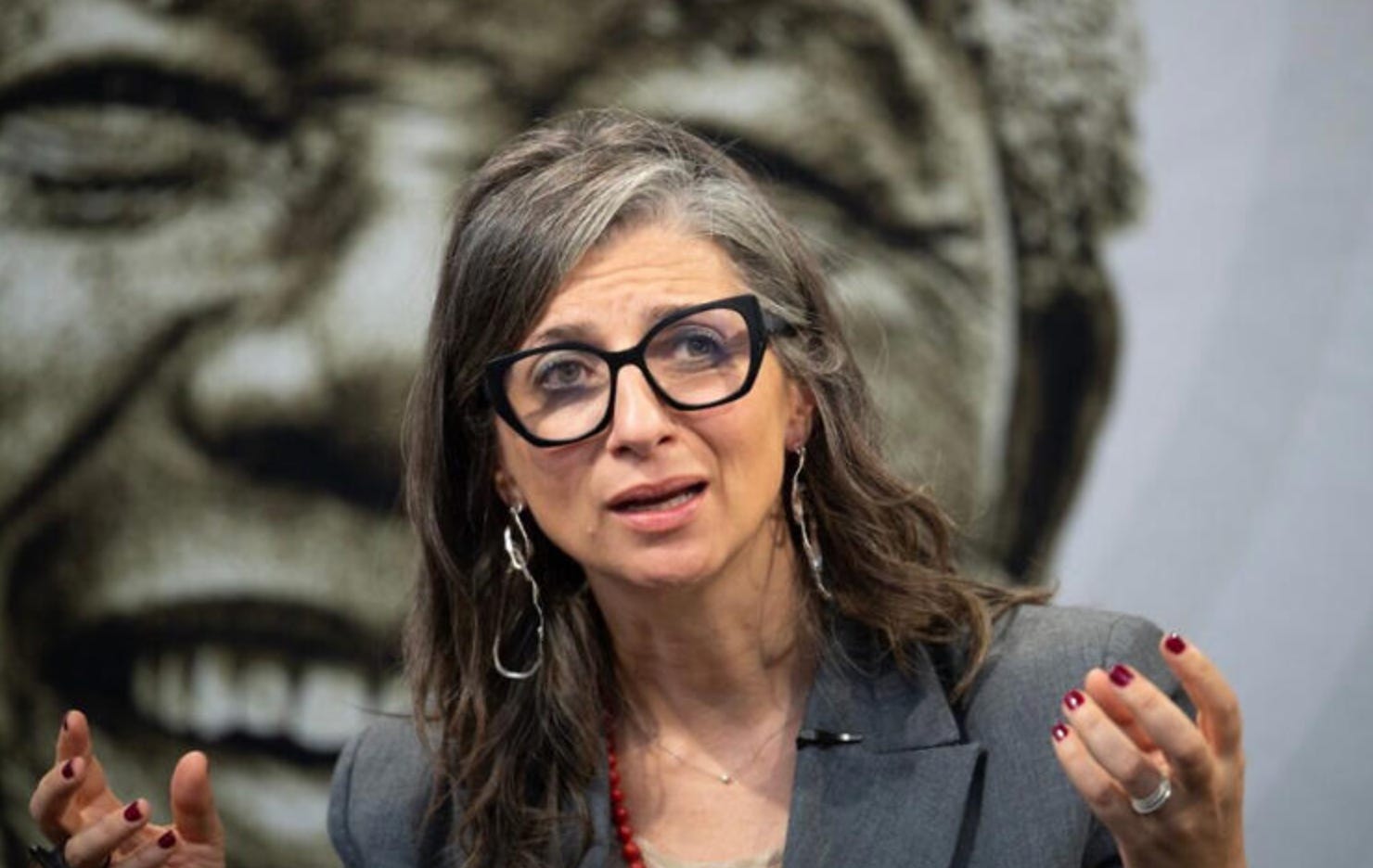
The International Court of Justice is currently adjudicating the case Application of the Convention on the Prevention and Punishment of the Crime of Genocide in the Gaza Strip (South Africa v. Israel), initiated by South Africa on December 29, 2023. Approximately 14–15 nations have joined or sought to intervene, including Nicaragua, Colombia, Libya, Palestine, Mexico, Spain, Belgium, Ireland, Türkiye, Egypt, Maldives, Chile, Bolivia, Brazil, and Cuba.
The ICJ has issued three provisional measures orders in 2024 (January 26, March 28, and May 24), requiring Israel to prevent genocidal acts, ensure humanitarian aid reaches Gaza, and preserve evidence. No final ruling on the merits has been issued, with judgment expected years later. Multiple UN General Assembly resolutions and repeated statements from the Secretary-General, Human Rights Council, and numerous member states have called for an immediate ceasefire in Gaza since late 2023.
UN Special Rapporteur Francesca Albanese, appointed in May 2022, has concluded in her March 2024 report “Anatomy of a Genocide” that there are reasonable grounds to believe Israel has committed acts prohibited under the Genocide Convention, including starvation as a method of warfare and collective punishment. She has urged all states to comply with ICJ provisional measures, halt arms transfers to Israel, and pursue accountability for alleged crimes in Gaza. Her mandate was renewed in 2025 despite efforts by several Western governments to have her removed.
The Role of AIPAC
The names to know: Elliott Brandt CEO of AIPAC and Dana Stroul fmr asst Sec Defense Middle East.
Evidence of AIPAC’s deep reach into executive branch decision-making and maintenance of strong US-Israeli ties by controlling congress this
The American Israel Public Affairs Committee (AIPAC) is the most influential pro-Israel lobbying organization in the United States. It is not required to register under the Foreign Agents Registration Act (FARA) because it is legally classified as a domestic lobbying group representing American citizens who support Israel, rather than an agent directed or controlled by a foreign principal (the Israeli government).
This status originated with AIPAC’s establishment as a 501(c) nonprofit in the 1950s and 1960s. The U.S. Department of Justice FARA Unit has consistently determined that AIPAC does not meet the statutory criteria for foreign-agent registration, as it is funded and directed by U.S. citizens without direct instructions or funding from the Israeli government. Critics, including John Mearsheimer and Stephen Walt in The Israel Lobby and U.S. Foreign Policy (2007), contend that this classification enables AIPAC to exert disproportionate influence on U.S. Middle East policy without the transparency required of other foreign lobbies.
AIPAC’s annual lobbying expenditures range from $3.5 million to $4 million in recent years, and it channels additional 10 of millions through affiliated political action committees to support pro-Israel candidates. This financial and organizational reach has made AIPAC a central factor in securing congressional approval for military aid and diplomatic backing during escalations such as the current Iran conflict.
The Line in the Sand
For many Americans, the moral threshold was crossed long ago. Including myself.
The bombing of civilian infrastructure, the deliberate starvation tactics, the repeated double-tap strikes on rescue workers, and the leveling of entire neighborhoods in Gaza are not collateral damage. They are policy.
It was stated through US and Israel media that over 45,000 Palestinians have been killed since October 2023. Other postings in the independent circles of journalism estimate’s approaching beyond the reach of 100,000 when indirect deaths are included. The International Court of Justice has found plausible evidence of genocide. Yet the U.S. Congress continues to approve substantial aid packages to Israel while domestic infrastructure deteriorates.
Many expert- scholars and insiders who are now outside the political-military appartus say this is not about defending an ally.
It is about enforcing a regional order in which one ethno-religious state maintains nuclear and military supremacy, backed unconditionally by the United States—while the rest of the Middle East is expected to accept permanent subordination or displacement.
Final Thought
The war with Iran is not a defensive necessity. It is the next step in a project long discussed in Israeli-Zionist and Christian Zionist circles: the growing of Greater Israel doctrine ( from the Euphrates to the Nile) the weakening of regional rivals, and the alignment of U.S. foreign policy with a messianic timetable ( one citation: Genesis 15:18). Claiming Land as in Gaza and the West Bank and now Southern Lebanon razing is an old age war theme.
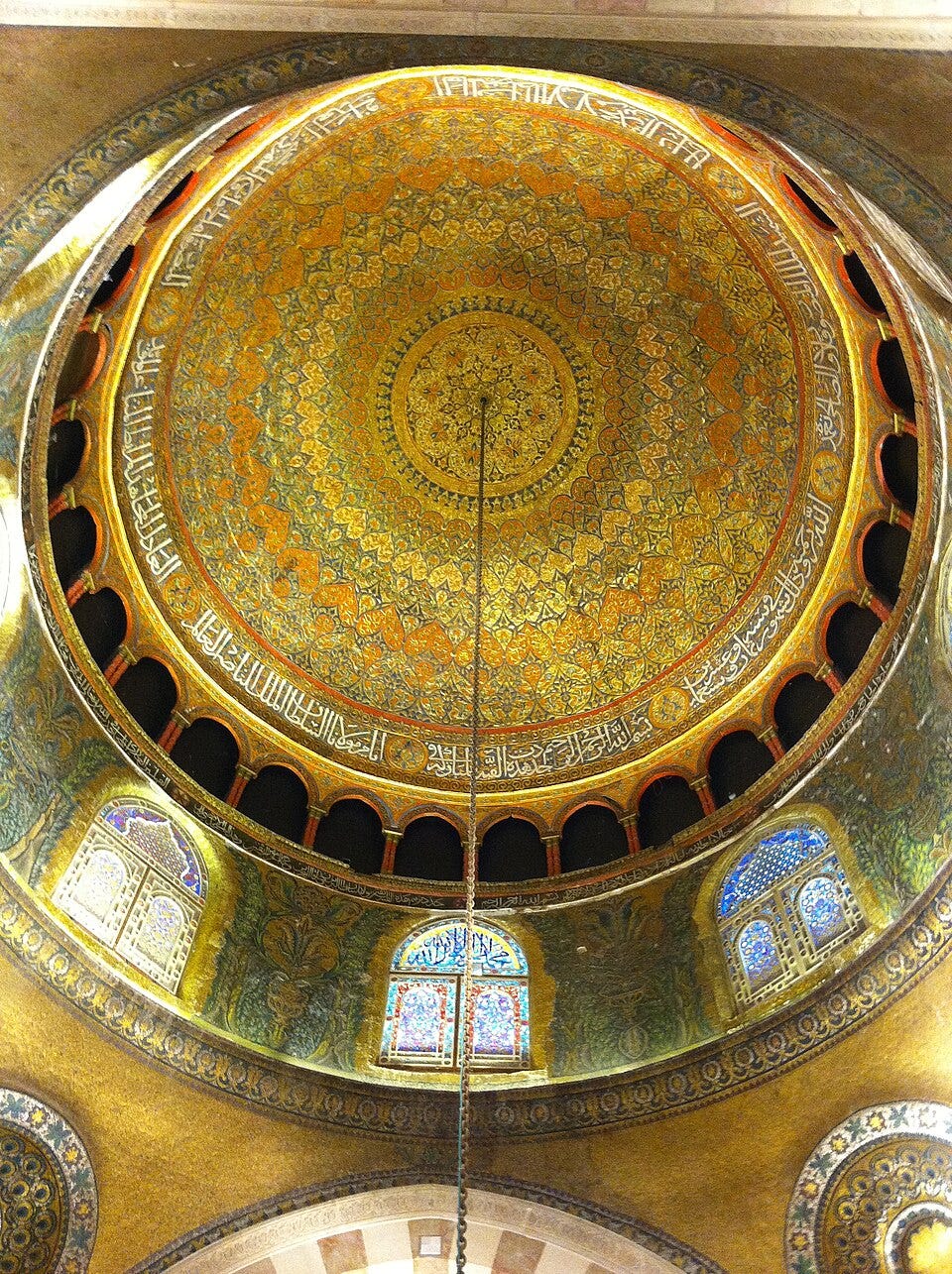
The razing of the Al-Aqsa Mosque ( and Dome of the Rock) and rebuilding the Third Temple is imminent in the minds of leaders to pave the way for the Second Coming as mentioned by the Israel PM and the US Secretary of War Hegseth.
Those who speak plainly about this—Finkelstein, Pappé, Maté, Jiang, Webb, Albanese, and others—are not conspiracy theorists. They are scholars who refuse to sanitize state violence with euphemism. The rest is theater.
The question is not whether the American people have been deceived. It is how much longer they will accept the deception.
If you found this post useful, please consider sharing it or subscribing.
Thank you for reading.
References
References / Bibliography
Ervand Abrahamian, A History of Modern Iran (Cambridge: Cambridge University Press, 2008).
Ervand Abrahamian, The Coup: 1953, the CIA, and the Roots of Modern U.S.-Iranian Relations (New York: The New Press, 2013).
Ian Black, Enemies and Neighbors: Arabs and Jews in Palestine and Israel, 1917–2017 (New York: Grove Press, 2017).
Derrick Broze, The Rothschilds & The Creation of Israel (documentary, 2022). Available at:
.
Whitney Webb, One Nation Under Blackmail: The Sordid Union Between Intelligence and Organized Crime that Gave Rise to Jeffrey Epstein, Volumes 1 & 2 (Walterville, OR: Trine Day, 2022).
Unlimited Hangout, “Epstein, Mossad, and the Iran War Narrative” series, March 2026.
Redacted and Breaking Points interviews with Whitney Webb, 2025–2026.
Norman Finkelstein, Gaza: An Inquest into Its Martyrdom (Oakland: University of California Press, 2018); public statements and critiques, 2024.
Ilan Pappé, The Ethnic Cleansing of Palestine (Oxford: Oneworld, 2006); The Idea of Israel (London: Verso, 2014).
Benny Morris, The Birth of the Palestinian Refugee Problem Revisited (Cambridge: Cambridge University Press, 2004).
Gabor Maté, lectures and interviews on trauma and dehumanization, 2023–2025.
Edward Said, Orientalism (New York: Pantheon, 1978); The Question of Palestine (New York: Times Books, 1979).
Professor Jiang Xueqin, “Game Theory #9: The US-Iran War,” Predictive History YouTube channel, March 3, 2026.
Various reports on Oracle/TikTok data stewardship arrangements, 2024–2026.
ICJ docket, Application of the Convention on the Prevention and Punishment of the Crime of Genocide in the Gaza Strip (South Africa v. Israel), intervening declarations 2024–2025.
ICJ Provisional Measures Orders, January 26, March 28, and May 24, 2024.
UN General Assembly resolutions ES-10/21 (December 2023), ES-10/22 (March 2024), and subsequent resolutions.
Francesca Albanese, “Anatomy of a Genocide,” UN Special Rapporteur report, March 2024; “Genocide as Colonial Erasure,” October 2024; statements on U.S.-Israel strikes, March 1–3, 2026.
UN Human Rights Council mandate renewal and related reports, 2025.
U.S. Department of Justice FARA Unit opinions; AIPAC 501(c)(4) status documentation.
John Mearsheimer & Stephen Walt, The Israel Lobby and U.S. Foreign Policy (New York: Farrar, Straus and Giroux, 2007); Grant F. Smith, Big Israel (Washington, DC: Institute for Research: Middle Eastern Policy, 2016); OpenSecrets.org AIPAC lobbying data, 2020–2025.
Roy Casagranda, lecture notes and recordings, 2020–2025.
Wesley Clark, interview on Democracy Now!, March 2, 2007 (revisited in multiple interviews, 2011–2025).
Democracy Now! coverage of U.S. Middle East policy and Iran conflict, various segments, 2023–2026.
American Society of Civil Engineers, “2021 Infrastructure Report Card” (2025 updated assessment).
U.S. Department of Defense, “Fiscal Year 2026 Budget Request Overview,” February 2025.
Congressional Budget Office, “The Budget and Economic Outlook: 2026 to 2036,” January 2026.
Quincy Institute for Responsible Statecraft, “Restraint: A New U.S. Foreign Policy,” 2024.
RAND Corporation, “Military and Veteran Families: Challenges and Opportunities,” 2025 update.
Centers for Medicare & Medicaid Services, “National Health Expenditure Projections, 2025–2033,” December 2025.
U.S. Department of Agriculture, Food and Nutrition Service, “SNAP National Level Annual Summary,” FY 2025–2026 estimates.
U.S. Department of Housing and Urban Development, “Housing Choice Voucher Program Budget Justification, Fiscal Year 2026,” February 2025.
U.S. Department of Education, “Budget Summary and Background Information, Fiscal Year 2026,” February 2025.
Department of Veterans Affairs, “2024 National Veteran Suicide Prevention Annual Report,” September 2025.
Abolqasem Ferdowsi, Shahnameh: The Persian Book of Kings, trans. Dick Davis (New York: Penguin Classics, 2006).